How to Read Minds in the Check-out Line: Hints for Parents of Toddlers

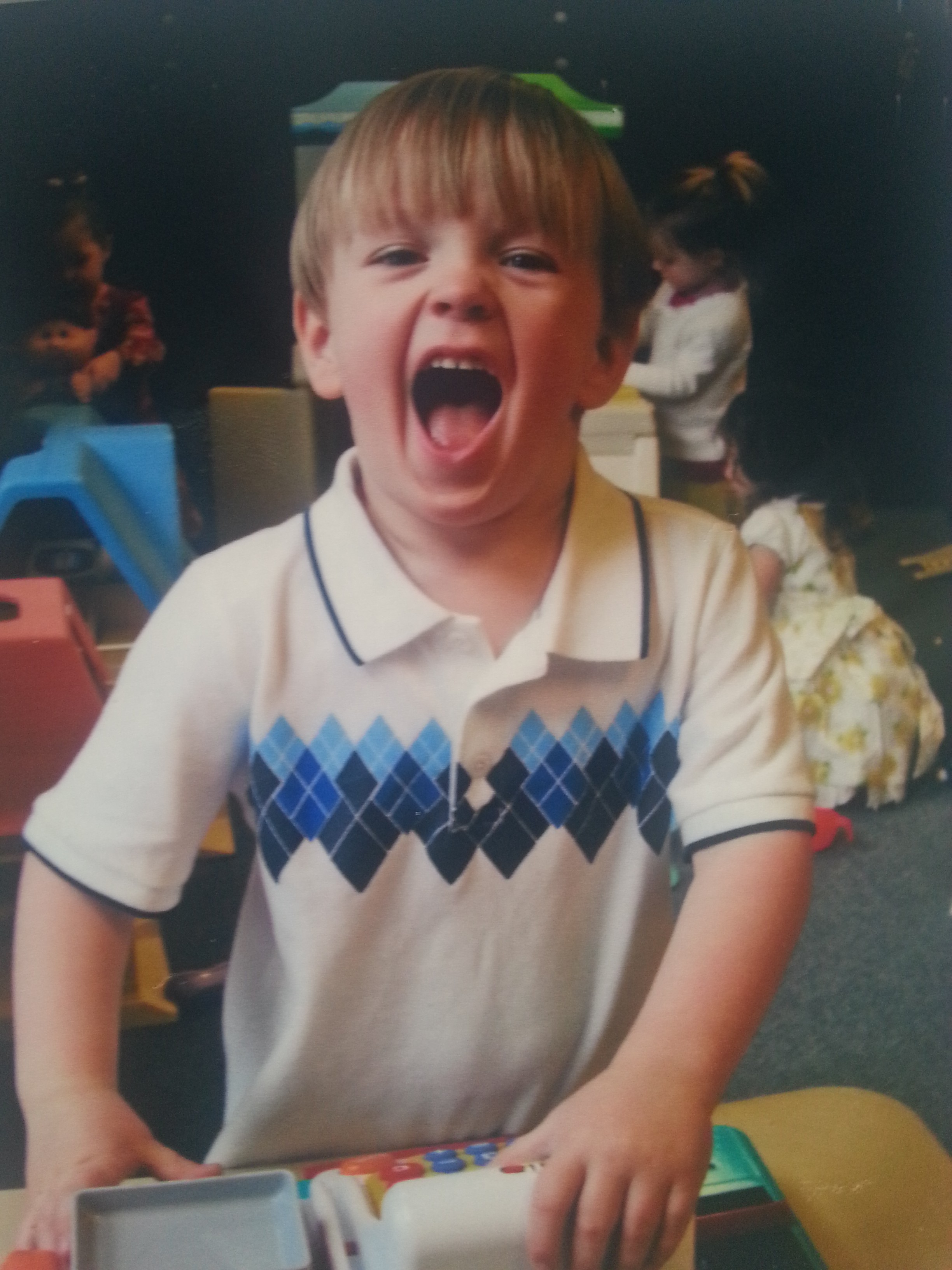
My uber-toddler. It was the best of times, it was the worst of time.

My uber-toddler. It was the best of times, it was the worst of times.

Those social media posts and blog entries written by moms of young children, complaining about the way strangers interact with them in public spaces — I could have written those. In fact, I once wrote and voiced a five minute piece for CBC Radio about a low point in my public mothering of little kids.

My youngest child is the ripe old age of six and doesn’t attract much attention in grocery stores or restaurants anymore. However, in order to arrive at this time of life, I first had to run the gauntlet of five toddlers.

All five of my kids had monster moments but two of my toddlers – the first and the fourth – consistently and horrendously stood out when we were in public. They were what kind people called “handfuls” or “going concerns” and what not-so-kind people might’ve considered proof that there’s no hope for the future of humanity. Thanks to bad mate-selection on their father’s part, these two also out-class me in every measure of relative size and strength and I often looked more like their underqualified, overwhelmed, soon-to-be-fired nanny than their biological mother.

What I mean to say is I fought in the trenches of toddler-motherhood for as long and as hard as just about any other women ever to complain about it. I hear you, sisters. I remember. Three short years ago, I was you.

I want to show support for mothers of younger children – treat toddler-moms and their kids the way I wish people had treated us. I want to give the assurances I wish someone had given me – even if it’s going to be a few years before toddler-moms will be able to believe me.

Of course, what I have to say might not be true for everyone witnessing the struggle. I know that. I went on the radio and testified about it to the whole country. Yes, there are plenty of grownup weirdos who have no idea how to behave in public and feel they can scold other adults for things that do not concern them. I don’t know what they’re thinking.

But I can speak for myself. And between me and more than a few other parents with older kids, it’s safe to assume there are allies among the onlookers. It’s safe to assume:

No one cares about the noise and mess kids make as much as their parents do. Everyone in line at the Wal-Mart has ninety-nine problems and someone else’s little kid isn’t one. To strangers, little kids are pretty much white noise – alright, maybe beige noise but definitely not the red noise they sound like to their own parents. What might be interpreted as hostile glaring from strangers is likely just bored staring, idle bemusement, a lack of anything else to look at. We won’t remember or resent a noisy little kid. But thanks for the floor-show while we wait in line.

Wanna know what we’re thinking of that noisy little kids’ parents? I’ll tell ya. Nothing. We’re usually not thinking about them at all. Like most people, we have no trouble staying busy thinking all about ourselves. Most experienced parents are only too happy to let newer parents enjoy absolute rule in their own jurisdictions. There’s nothing we want more for toddler-wranglers than the free exercise their own good judgment. Maybe we’re jerks but compassion isn’t the only thing on our minds when faced with someone else’s struggle. Sometimes, it’s more like, “Better them than me.”

Our smiles for goofy little kids aren’t supposed to encourage them to keep acting up. We usually give frazzled moms space, willfully trying not to notice them. But kids don’t understand space the same way we do and can wind up too close to ignore. At times like these, our smiles and friendliness are meant to show goofy kid’s mom that he’s not bothering us nearly as much as she might worry he is. It’s a simple sign of good will. His mom is having a hard time and a common, deeply ingrained social reaction to seeing one of our kind in distress is to offer non-verbal reassurance and comfort with a smile. We don’t expect those moms to smile back at us – heck knows we never did – but if they did, it’d probably relieve some tension. It’d feel better than scowling and making a retort about how it’s not okay. The truth is, if no one’s being hurt, it probably is okay.

Sometimes someone is being hurt and it’s hard for moms of older kids to ignore years of well-learned reflexes and let it go. Raising toddlers leaves us with something like a post-traumatic stress disorder, hurling us into flashbacks of our very worst days – the ones when we went to the emergency room hoping the medical staff wouldn’t call the police about our kids’ bizarre but completely accidental injuries. When a fellow mom is distracted and her little kids look like they’re in danger, we might break down and squawk out a warning.

This was me, a few weeks ago. I was waiting in a slow, painful line while a mom with two young kids was paying for her purchases. She was focused on the cashier, trying to move along as quickly as possible, and her older daughter was pushing the baby back and forth in a shopping cart. It was a harmless, boring game. It was so boring the little girl added a new element. She pushed the cart as hard as she could and let go of the handle. The baby was launched toward a metal shelf. His mom was still busy with the cashier and hadn’t seen any of it. So this horrible voice called out “Excuse me, your daughter…” It was my voice. The mother whirled around, lunged for the handle of the cart, and turned back to the cashier without looking at me. She wasn’t grateful. She was ticked off. I get it. It’s embarrassing to feel like we’ve been called out in public for making a mistake. It’s embarrassing to be the one doing the calling. But accidents happen to everyone, even good parents. People jump in to help not because they don’t care about adults but because they do care about kids. That sounds sappy but it’s true.

We’re not trying to sabotage other parents. Everyone in the mall is muddling through, trying to figure out his or her own humanity. For me, being a good human means if I see a toddler standing alone screaming in a big space full of strange adults I will always rush up to him and say, “Hey, honey, are you okay? Are you by yourself?” Among a thousand reasons, I will do this in case someone who may not be such a softie steps in to take advantage of the situation. There is no way for me to know the kid’s mom is standing behind a nearby planter trying to teach him a lesson about the perils of being a doofus who won’t stop running away. I raised a kid exactly like that. I know how frustrated and desperate he can make his poor mother. But I also know how relieved and grateful I was every time my son truly was lost and someone reached out and rescued both of us. Personally, I’m happier living in a world where the “natural and logical consequences” of my kids’ bad behaviour is encountering compassion from someone with no specific duty to love and care for them who’s willing to love and care for them anyway.

Toddler-mothering sisters, we’re in this together, though maybe not at the same time. We’ve obsessed over the same little failures, exulted in the same small successes. Maybe no one has more confidence in young mothers’ abilities to overcome than mothers just a few years ahead of their schedule. We’ve lived through toddlers and emerged largely undamaged. More importantly, so have our freshly civilized older kids.
Book’s Belated Birthday

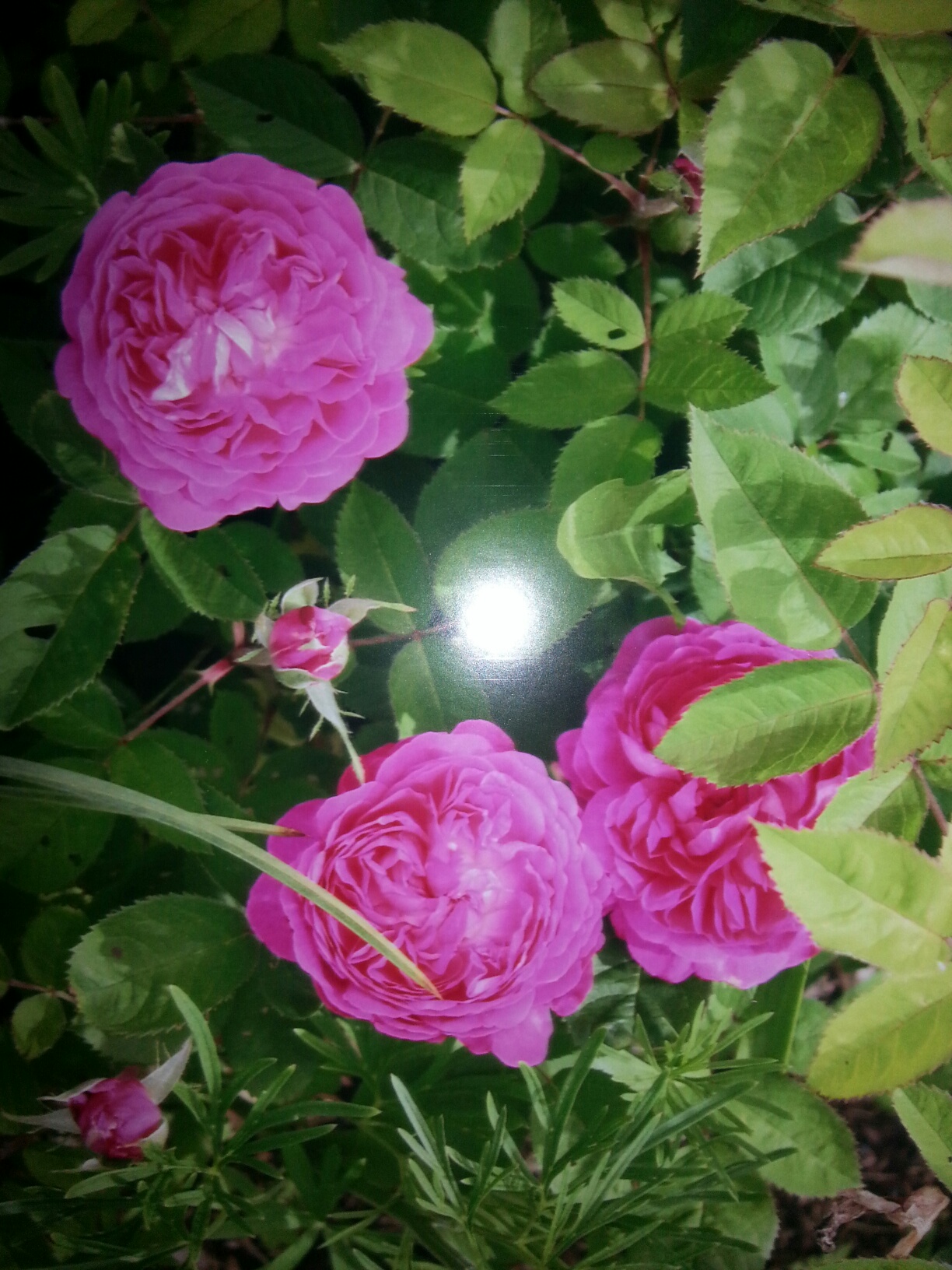
Roses we raised from a bare root. They smell fantastic.

Roses we raised from a bare root. They smell fantastic.

Goofing around on Google, I read a blog post by author Lauren Carter where she mentions a review I wrote of her debut novel, Swarm. The occasion was the one year anniversary of the release of her book and the post was a list of great, book-related things that have happened to her in that time.

Lauren’s idea struck me as a good one – a theft-worthy one, one to make me feel a little less robbed of the roses we were too frantic to stop to smell this summer when the one year anniversary of my novel came and went without my notice.

Here’s my version of the one-year celebration list. [If your Jenny-is-a-horrible-braggart-alarm is tripping, please close this tab or relax and try to read the list as gratitude – which it is and which ought to be expressed.]

  • My book returned me to Montreal and Toronto and gave me excellent reasons to leave their airports for the first time. Both cities were magnifique with cool people, great art, literary events, and me roaming around reading maps like a dork.
  • My book toured me around most of Alberta (no map required): Lacombe, Edmonton, Calgary, Sherwood Park, Cold Lake, Fort McMurray, Red Deer, Hill Springs, and a quiet homecoming in Raymond, the town where I graduated from high school.
  • Drama! In the peculiar American-Mormon book scene, my book was made a finalist for an award with one hand and branded heresy in a review in the local media with the other hand. Eventually, the review was revised (a mighty feat) and an apology made.
  • Apart from the Salt Lake City newspaper debacle, the book got great reviews and mentions in major newspapers, regional newspapers, trade publications, magazines, and online. It was awesome (in the literal sense that it inspired awe in me) to see thoughtful reviewers finding things in my book I didn’t realize were there. Making art is frickin’ amazing like that. Highlights include Publishers Weekly, National Post, and the sweetest text ever from my dad.
  • The book led me to discover my colleagues – my fabulous, generous colleagues. I wrote my novel in isolation and it wasn’t until it was nearly time to release it that I started meeting the writers, librarians, bloggers, and readers I should have been befriending all along. My book gave me a community.
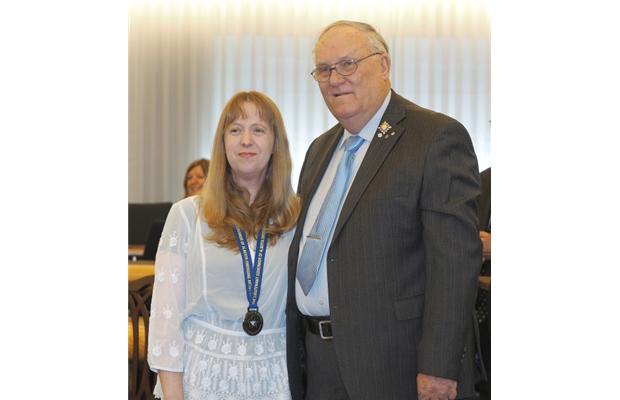
  • On the merits of the book, I won a Lieutenant Governor of Alberta’s Emerging Artist Award. I got to take my parents, husband, and a few of my sons to a fancy ceremony in a sandstone mansion before wearing the medal inscribed with my name to vacuum my house.
  • The television appearances were challenging but book promotion also got me spots on radio and podcasts. As long as no one can see me, I enjoy speaking almost as much as writing and these appearances were great pleasures.
  • The book actually sold. It was distributed in large bookstores as well as in indies and online. In Novemeber 2013, it was a regional bestseller according the Edmonton Journal.
  • Meeting new people was wonderful but so was getting back in touch with old friends and long lost family and hearing how the book affected them. Sure, there was lots of “oh, it’s so morbid” but there were also touching tributes I will never forget as long as I have a mind that remembers anything.

Don’t mistake my list for a eulogy. There’s more ahead for Love Letters of the Angels of Death in its second year. More copies have been printed, more book clubs have been booked, and more good news will appear in due time. Thanks for your help and support. Yes, you did – simply reading to the end of this blog post is a show of support.

I’m Back — or, Someone Like Me

We — my family of seven — have moved to a new house in a new city. Though the physical act of moving is over we’re still not quite ourselves. Frankly, we never will be. We’re different now. I’ve moved enough to believe that, in time, these new differences will be mostly for the best. And I know “for the best” hardly ever means pleasant or easy.

One comfort I have as I and six other pieces of me venture into the more-than-ordinarily unknown every day is the house we have to come back to. Unlike all the other houses we’ve owned, this one was home to another family before us. They built it to suit their fancies and lived here for twenty-four years. Naturally, it’s a bit quirky — a bit haunted.

Here are some highlights.

Cold Storage!

Cold storage to delay all kinds of decay

This is the cold storage room which, as my father who was raised in a converted former funeral parlor explained to me when I was 4 years old, is the best place in the house to keep a dead person. It’s also got a rack for properly storing fur coats — at last.

Secret office space behind the furnace

Ultra-private office space behind the furnace

Behind the furnace is the secret inner office. I’m not sure who used to work here but he was probably very easily distracted. No windows, lots of white noise, total privacy. No, I’m not using it as my office. I work in the laundry room, like a normal person.

Laundry Office

I’m at the laundry room (What?), I’m at the office (What?), I’m at the combination laundry room and office

Honestly, I’m just happy to be working sitting in a chair instead of leaning against the headboard of my bed, typing on a tea tray.

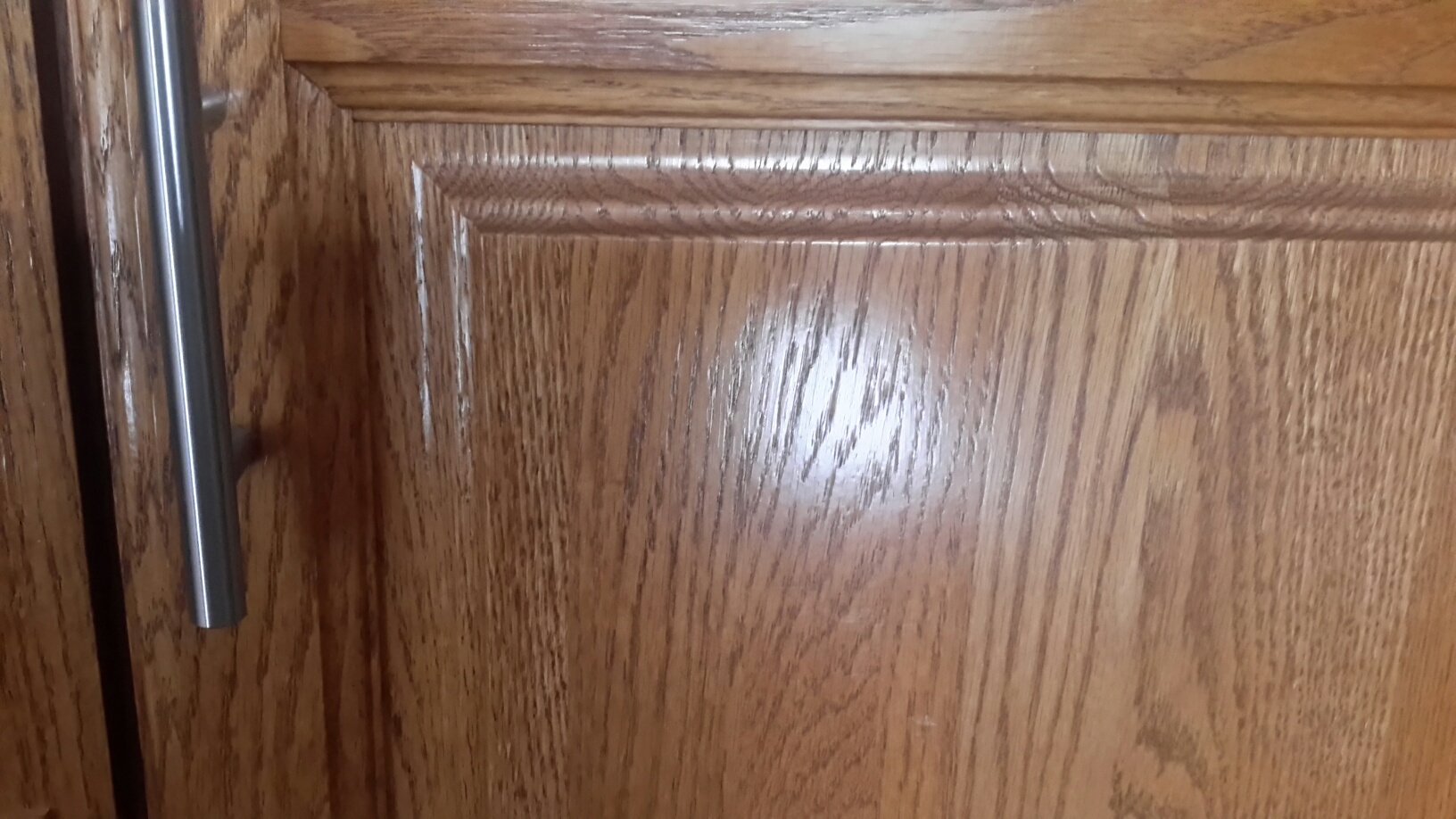
The wrong wood

The wrong wood

This is what let us buy the house at the price we probably would have paid if it was truly haunted. Everything here is finished in a light, strongly grained oak. In 1990, it was right on. In 2014, it is wrong, wrong, wrong. It’s so wrong the sellers’ (very bad) realtor offered a cash-back incentive to help new buyers rip it all out. We opted for a reduced price instead and will be keeping all the lovely once-living material a hardwood tree was sacrificed to provide. I like it fine and even if I didn’t, it’d be sick and tragic to waste it.

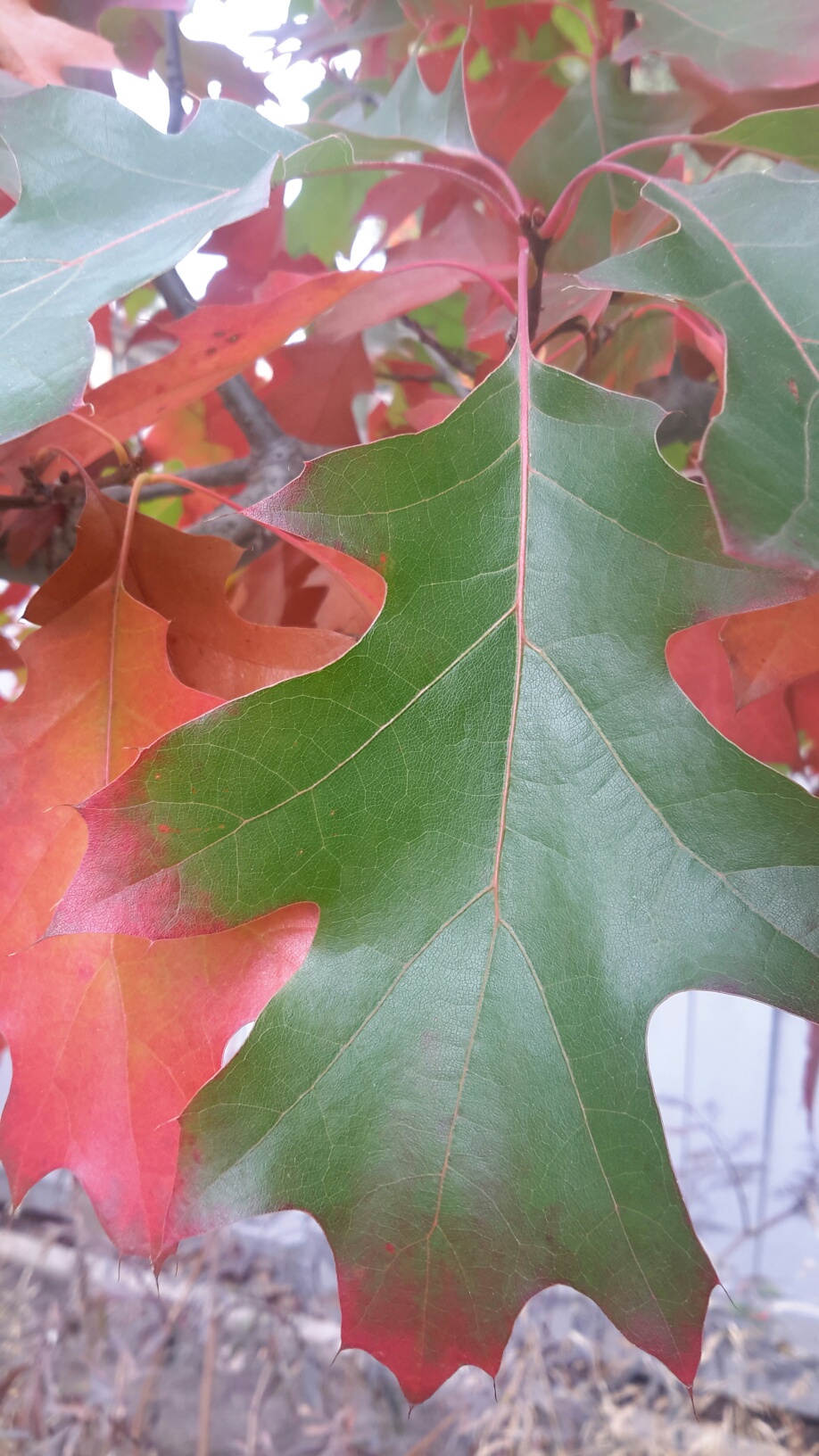
Pin oak leaf

Pin oak leaf

There’s more oak outside in the form of a still-living tree. It’s fertilized by the carcass of a dead dog lovingly buried at its base. What was the name of that grody Stephen King book? About the cemetery, with the pets?

Unstained cedar doesn't look like much but it smells amazing

Unstained cedar doesn’t look like much but it smells amazing

Also outdoors is the virgin cedar deck. It’s never been stained or varnished and when it’s warm the whole backyard smells like a fancy new hope chest. Smell-writer loves it.

Sturgeon (yes, we know he's a goldfish)

Sturgeon is not a sturgeon

Formerly from outside is Sturgeon. He’s the sole survivor of the backyard pond. When a freak snow storm hit the first week of September, the boys couldn’t bear to leave him outside. Yes, we realize he is not a sturgeon but a goldfish (and we also realize a snow storm in September in Alberta is actually not freakish).

Her de facto name is "It's That Spider Again"

Her de facto name is “It’s-That-Spider-Again”

Here’s another new, accidental pet. This big, skinny spider has been hanging around watching the kids play video games in the basement ever since we got here. She commands too much respect for anyone to want to kill her and she refuses to step onto a sheet of paper so we can turn her loose in the outside world.

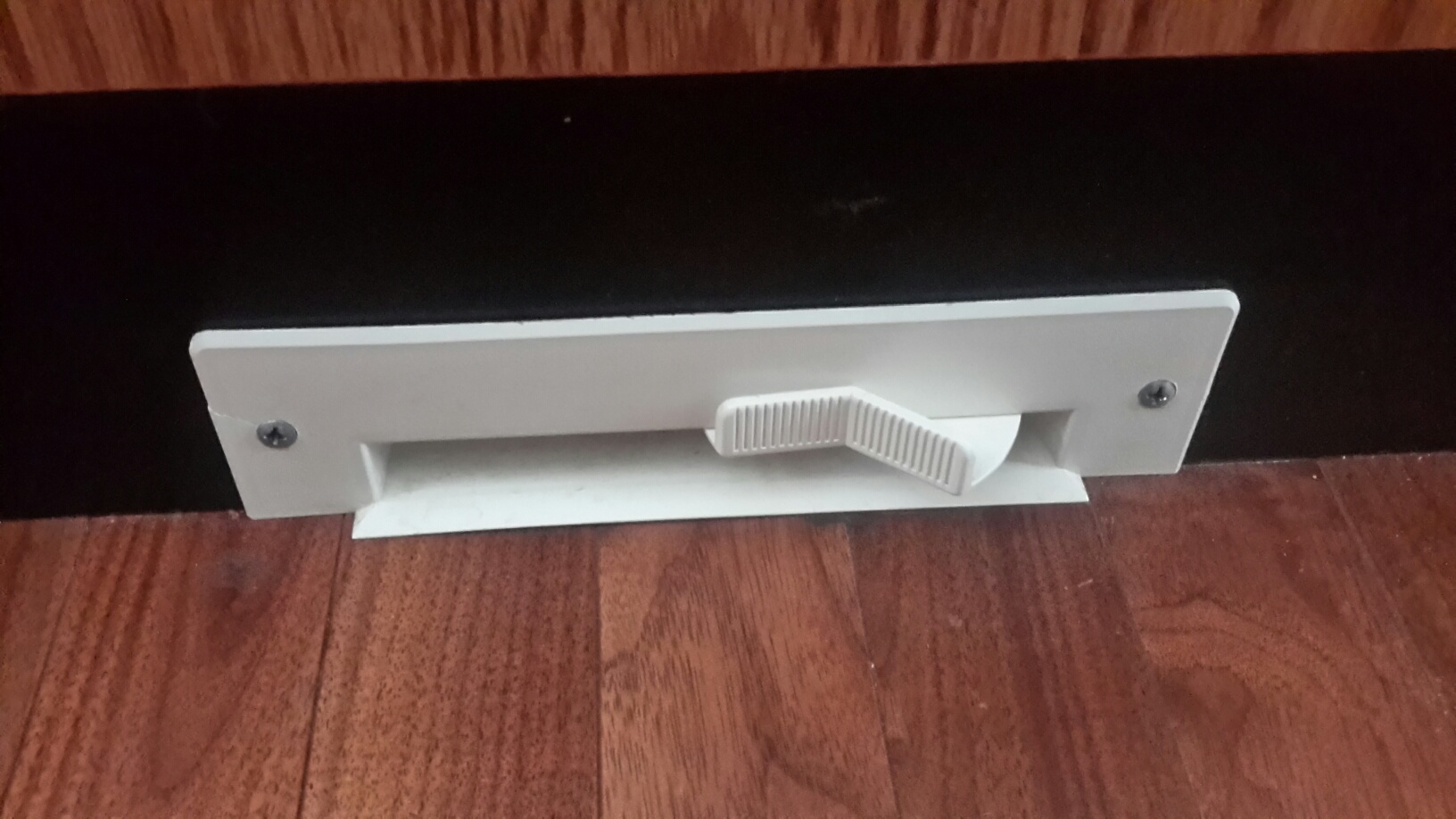
portal

The Portal

This might be our favourite thing about the new house. It’s a magic portal in the kitchen floor that sucks up dirt from an ordinary broom and hurls our filth into the void. It might be old technology to better housekeepers but I remain astounded by it.

rock

Sometimes a rock is just a rock

When my dear barely-older-than-me brother — my childhood animus — came to help us unload the moving truck, he said this towering rock in the front yard was the only thing he envied. Let’s not psychoanalyse this any further.

Tabula rasa

Tabula rasa

And last of all the quirky and darling things I could include in the tour of the house that has consumed all my time, energy, and money for the last month, here’s a 17 foot tall neutral-coloured wall I have no idea how to decorate. Leave suggestions in the comments, I beg you.

With that, here’s to clean slates and new beginnings and all things desperately optimistic.

Final Post Before Moving House: On Depression and Sadness

My house from the creek-bed below it.

My house from the creek-bed below it.

With less than a week before my family moves house — leaving the town we’ve lived in for eight years, longer than I’ve lived anywhere, ever in my entire life – I’m feeling kind of depressed. I love this place.  I love my friends here. I love my kids’ friends. I love the atom football team. I love the trees we raised from saplings. It makes sense to be sad about a departure from a happy hometown. As one of the characters in my novel says, “I’d be more worried about my state of mind if something like this failed to upset me.”

So this is not a confession of an artist speaking frankly about her troubled mental health. That artist is real but I am not her. While I’m definitely feeling depressed today, it’s not the same thing as having the disease of depression.

When it comes to mental health, I’ve got nothing to complain about. It’s not because I’m smarter or better than people who do have valid complaints. I think it might be little more than an endowment from my mother –an ability to shout or cry away bad feelings before they settle in for torturous long-term engagements.

Even so, I do get sad. Over my lifespan, I’ve probably lost months-worth of sleep to grief and worry. My personal best record for uninterrupted crying exceeds three hours. One summer, my daily routine included standing alone in my garage painting boards for the epic fence we were building, quietly weeping over them.

None of this was depression. It wasn’t an illness. It was a reaction to well-defined, acute stress and tragedy. It’s like the difference between bruising for a few days after bashing a knee on something and bruising maybe until death because there’s something fundamental missing from the blood that keeps it from clotting.

With the recent death of a famous entertainer, a lot has been said about depression as a dangerous disease. All of that needs to be said. Depression is still far too stigmatizing. I have a close friend who suffered depression after each of her kids was born. She still worries someone will find the medical records of her diagnosis and medication and use the information as prejudice. “All your history of depression really shows,” another friend explained to her, “is that you were smart enough to go get treated for it.” She’s got nothing to be ashamed of and much to be commended for.

While not everyone suffers from depression as a chronic debilitating illness, everyone (except maybe, I don’t know, people with anti-social personality disorders) feels sad sometimes. Sadness is part of the human condition. It’s inevitable and normal. There is nothing strange or sickly about the sadness most of us encounter.

Here, in the middle of my move, I was talking with another friend who suffers from depression. She saw my mood was low and jumped to recommend treatments she uses when she feels herself falling – when her disease flares up. But I don’t have her disease. I don’t need to fight sadness as quickly or as fiercely as she does. I thanked her anyway. And above my pangs of healthy-person-guilt I was surprised to hear myself telling her I don’t mind letting myself experience a bit of my own sadness. It hurts but it doesn’t damage me. There’s value in it. I can trust I’ll survive it. My preferred treatments are patience and time, love and companionship, faith, music, food someone else has cooked, fresh air, and new things I discover every time circumstances demand my character adapt and change.

For people with severe depression, sadness can be, very literally, the end of the world. They need to fight it with heavy medical and social artillery and no one should fault them for it.

For the rest of us, sadness, deep at its core, is a horrible, putrid, unwanted gift. It’s okay to unwrap it and handle it. And no one should fault us for that – trying to convince us we’re deluded or unhealthy or callous when we take our sadness into our own hands to see what we can learn from it.

Sadness is part of our life stories. Its gift to us is our stories.

Our Fairy Godmother is the Queen of England

The Lieutenant Governor of Alberta Emerging Artist Award

The Lieutenant Governor of Alberta Emerging Artist Award

It wouldn’t be true to say I chose an arty career just to impress my kids. But I was definitely gratified this week when, right before my kids’ eyes, the unglamorous sitting and typing I usually do was fairy-godmothered into a morning of sandstone balustrades, live harp music, and canapés garnished with purple pansies.

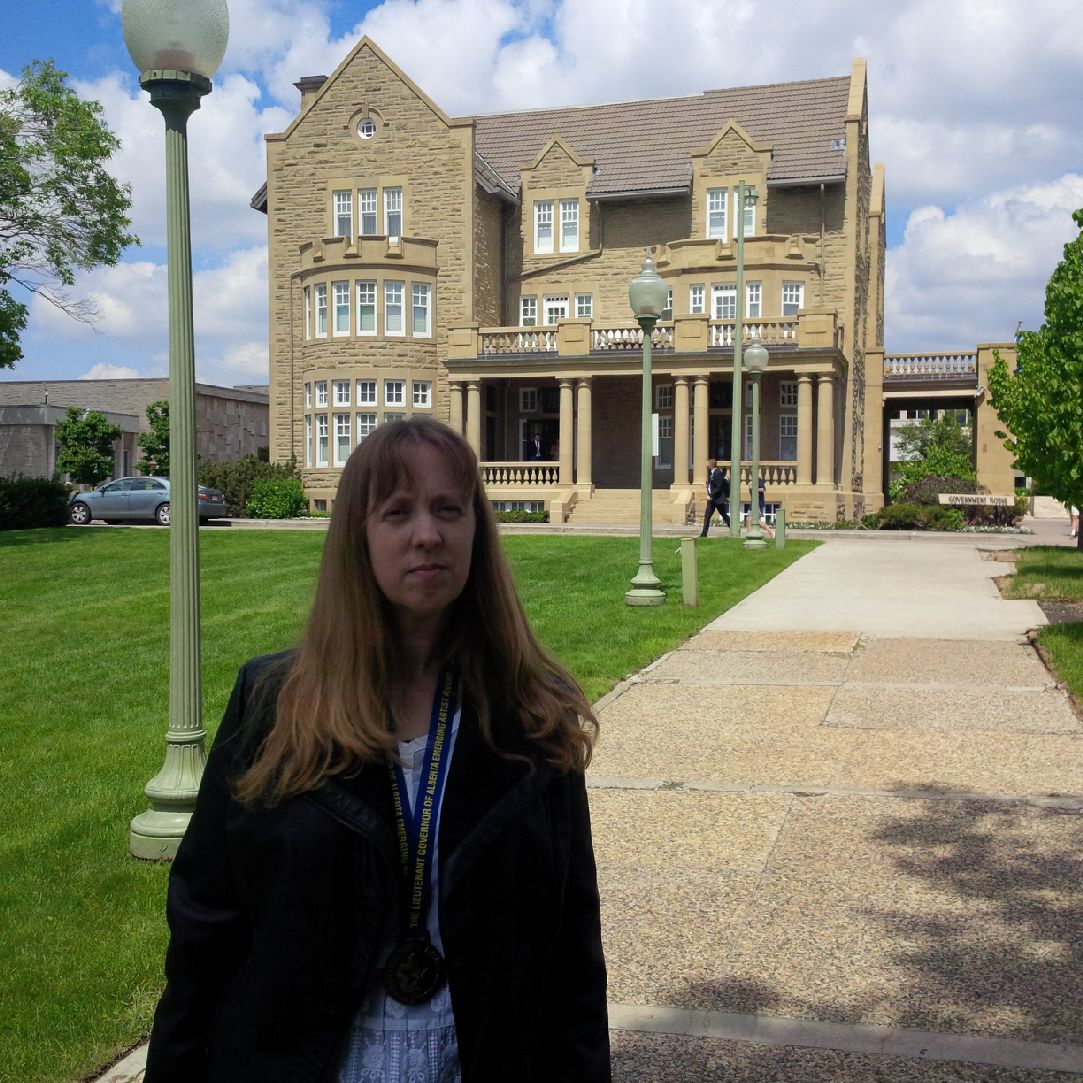
Me at Government House , Edmonton, Alberta

Me squinting in the daylight at Government House , Edmonton, Alberta

The fairy godmother who conjured this fantastic morning for my kids and me was actually the Lieutenant Governor of Alberta. I’m one of the recipients of the 2014 Lieutenant Governor of Alberta’s Emerging Artist Award. It’s a fabulous, generous programme and I’m thrilled and honoured to be included in it. Canada is a constitutional monarchy and some of our traditional royalist sensibilities, like art patronage, provide vital support and recognition for artists – a term it’s probably high time I stopped apologizing for applying to myself.

The award was presented to me and seven other recipients – accomplished singers, filmmakers, poets, visual artists – in a private ceremony. I was able to invite five guests so I brought my parents, my husband, and my 17-year-old and 15-year-old sons – the kids of mine least likely to turn the whole thing into a brawl.

I arrived at the Government House mansion before my family and waited in the green room until we were ushered upstairs where our guests were already seated. We all rose when the “viceregal salute” was played on the harp and Queen Elizabeth II’s local representative, the Honourable Donald Ethell (who is more like an impressive great-uncle than like the queen of anything), entered to officiate from a throne made of dark wood and green velvet.

How cool is that?

Each of the eight of us was formally presented to the gathering as our bios were read. It was the first time I’d heard the adjudicators’ remarks about my work. They said, “Her writing is extraordinarily strong, powerfully handled, and evidence of a rarely encountered original voice.”

Thanks!

We then came forward to greet His Honour and receive a medal – and a discrete folder containing our prize money. (Apparently, Government House lacks a giant novelty-sized cheque printer.)

Me and the Honourable Donald Ethell, Lieutenant Governor of Alberta

Me and the Honourable Donald Ethell, Lieutenant Governor of Alberta

Just like the day years before when I was in this same room watching my extraordinary husband receive an award from the Department of Justice for his service as a prosecutor, the line from the bio that drew an audible murmur from the crowd was the one reporting our roster of sons. Lawyers, artists, everyone has something to say about a large young family.

Even His Honour mentioned it as he slipped my medal over my head. “With all the writing you do how did you find time to have so many children?”

“They were thrust upon me,” I said.

My mum loved that.

He recognized the pair of my boys sitting the audience. “Where are the other ones? In school?”

I shrugged. “I sure hope so.”

At the luncheon afterward, my boys didn’t fail to appreciate the never-ending platters of dainty sandwiches and sweets. No matter how nice they are, I have a hard time stomaching refreshments at events and it was good to see someone from the family eating my portion.

My sons met His Honour, Her Honour (his wife), their red-uniformed aide-de-camp, the Minister of Culture, the Mayor of the city of Red Deer, and a real live professor from the University of Alberta — the school my oldest boy will be attending in the Fall. The professor, Douglas Barbour, was there as a guest of one of the other artists but he also happened to be the instructor of the only senior-level English course I ever took.

My Family and the Lieutenant Governor

A Bit of My Family Meets the Lieutenant Governor

Several times during the boys’ fancy morning out, I overheard strangers asking them if they were proud of their mom. It can be an eye-roller question — even for me, someone who prefers the term “pleased” to “proud” since it travels without the negative baggage and misunderstandings that can come with “pride.”

People in their late teens aren’t renowned for being gracious. They don’t efface themselves like I do but they scoff and sigh and shrug. And the truth is, my accomplishments have meant the boys’ childhoods have been lean on motherly touches like homemade baking and chauffeur service to school.

I kept smiling but I braced myself as I listened to my boys make their answers at the Lieutenant Governor of Alberta Emerging Artist Awards luncheon. In replying to kind strangers who wished us nothing but the best, the boys set aside any cynicism, bitterness, or semantic fussiness to answer with pleasant enthusiasm – enthusiasm for me and the tumultuous, demanding arts career that may have affected their lives as much as mine.

“Award-winning” at the Last Minute: I Am No Paul Henderson But…

My dad has shown me enough inspirational sports movies and documentaries for me to know it’s best to wait until right before the buzzer sounds at the end of the game to score a big goal.
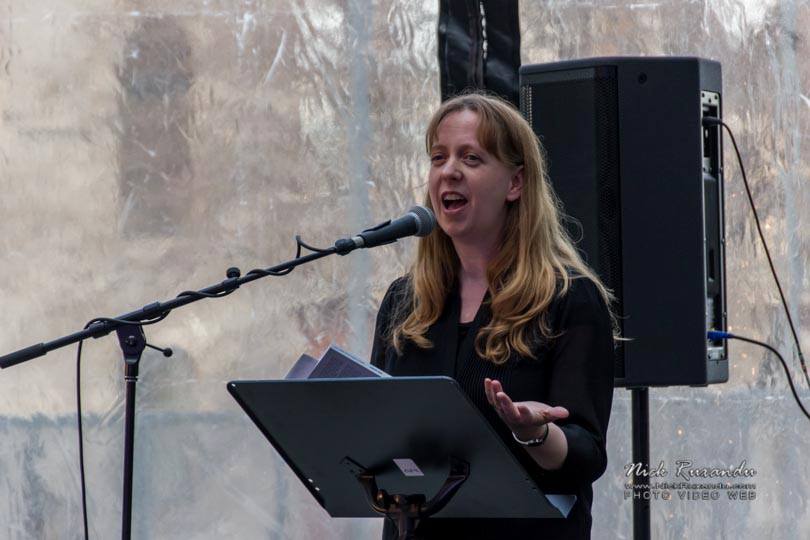
That’s the way the literary awards season for my debut novel has unfolded. The book was released in August 2013 and I sat here quietly and morosely ticking off each of the season’s awards as their short-lists were announced without my name on them. I got to watch kind well-wishers saying it was too bad I was overlooked and while that went a long way in buoying my spirits, it didn’t give me and my novel any grounds to be called “award-winning.”

Near the end of the season, I was named on one shortlist but, while I appreciated the honour, the award was a bad fit for me and I didn’t win it.

Since it’s Fathers Day this week, I’ll tell the rest of the story with a Canadian hockey history analogy.  Let’s just say it was the final seconds of the third period of the literary award season…

“Henderson made a wild stab for it and fell”

… when I got a phone call…

“Here’s another shot right in front of the…”

…congratulating me on winning the 2014 Lieutenant Governor of Alberta’s Emerging Artist Award.

“Score! Henderson!”

It finally happened. I won the last award I was a contender for this year – scored on my last chance to claim the “award-winning” designation, right before the final whistle. Along with the rights to “award-winning” it comes with a prize, a medal, media coverage, and a fancy ceremony with His Honor. I’m one of eight recipients chosen from a wide range of artistic fields to get the award. I’ll find out who the rest of them are at 10am today at Government House in Edmonton.

I couldn’t be more pleased or more grateful to the board for selecting me. Yay!


[Thanks (and apologies) to hockey legends Paul Henderson and Foster Hewitt.]

Morbid in the Mountains

April and Chris Demes’s guitar birdhouse in Hill Spring, Alberta as posted on canadiangardening.com

My May began with a literary festival in a world class city and ended with a book club in the village of Hill Spring, population not quite 200.

This book club was hosted by my friend and fellow writer April Demes.  Years ago, when we first met, April was an arty, precocious teenager and I was a newly married 21-year-old who knew EVERYTHING.  Now that we’re older, we have more in common: gardening, bird watching, CBC Radio, pretty blond children, and writing.

Despite their idyllic Rocky Mountain surroundings – a white house on the side of a green hill where a repurposed guitar is nailed to a tree as a birdhouse – April’s family hasn’t been luxuriating in a quiet simple life.  (Quiet simple life is a myth.  If we think we know someone living this way, it’s a sure sign we don’t know them very well at all.)  While still in his 30s, her husband was afflicted with cancer, right inside his skull. They nearly lost each other.  That my novel strikes any kind of chord with April is a great honour.

The Hill Spring book club was one of my favourites.  It was peopled with bright, interesting women of varied ages and backgrounds – some of whom may be distantly related to my well-connected husband.  They came prepared with questions and we had a great discussion about love and death and the writing process.  But it wasn’t because everyone unreservedly loved the book.

One of the ladies who enjoyed the book described her grownup daughter’s reaction to it.  They’d been reading aloud and the daughter stopped when the narrative got too “morbid.”  There is a fair bit of death and death paraphernalia in the novel.  It begins in the title and never really lets up.  It can be tough for some readers to see through it to the tenderness that is the real point of the book.  Sometimes, they dismiss it as “morbid.”

Strictly speaking the word “morbid” means sick, unhealthy.  I flinch when I hear this word used to describe my book.  Writing in frank, practical terms about loss is not something I consider unhealthy.  Not everything that’s uncomfortable – exercise, pelvic exams, insulin shots – is unhealthy.  Willfully ignoring the difficult and complicated process of dispatching our loved ones until we’re devastated by a crisis is what seems unhealthy to me.  As I wrote the book, “morbid” was not my aim – quite the contrary.

While I’m no longer surprised to hear “morbid” spoken at book clubs, I was surprised to hear which part of the book made the lady’s daughter squirm.  It was the chapter where the main female character is cutting up a grocery store chicken, making dinner.

I hate cooking more than most people.  I wrote about cutting chicken honestly, flaunting but not exaggerating my perceptions of it.  “Take that, cooking.  You’re gross.”  But even someone who abhors cooking as much as I do probably doesn’t find her own kitchen a morbid place.

Please enjoy this photo of a butchered chicken

Maybe death is the same.  Life on Earth means eating and it means dying.  Both are messy, inevitable, and natural.  It doesn’t matter how healthy or vibrant or “morbid” any of us is, we all have to eat and we all have to die.  It remains true even if we don’t want to know anything of the finer points of how either is done.

I don’t make money on book clubs but I did sell two books in Hill Spring.  One was to a lady who came to the meeting without finishing the book.  It was morbid, she said, but after hearing the rest of us talk about it she’d decided to give the book another chance and invest in her very own copy (personally defaced by me) instead of borrowing April’s.  She was willing to question her sense of what’s morbid and consider changing her mind.

It may have been the most gratifying book club comment ever.

Searching for Swag in Montreal

Me at the Blue Metropolis International Literary Festival in Montreal

Me at the Blue Metropolis International Literary Festival in Montreal

So my 17 year old son asked me, with all the irony he could muster, “Mom, which value is more important to you: YOLO or swag?”

If you’re over 25 and this question makes no sense, that’s exactly how it should be.  This is the current youth lexicon at work, reminding – or warning – us older people that we aren’t the sole proprietors of our language.  However, as the beloved parent of generous teenagers I’m given a pass in a few areas of youth culture including permission to know the meaning and social function of words like YOLO and swag.  Thanks, boys.

I won’t define YOLO here like the old sociologist dork I truly am (and as if there’s no Google).  It’s just a simple acronym anyways.  Swag is more complicated.  It’s concrete and ephemeral at the same time.  It can be stuff, but not stuff.  It arises from what’s inside and outside.  It comes and it goes.  What’s swag on one person may be sad or silly on another.  Sometimes the very best swag comes from the most humble sources.  There’s irony and self-consciousness in swag.  And it descends differently upon everyone.

Follow any of that?  I know, it reads like old theology – swag is invisible, uncreated.  It can be a bit of a riddle. Just ask my 35 year old friend Christi who’s been trying to use the word “swag” appropriately in conversation with teenagers since the New Year.  It’s a process of trial and error but don’t worry, she’s got swag enough to keep trying and will pull it off eventually.

I can use the word swag but that doesn’t mean I can command swag itself.  Sometimes I worry I’ve never had it — especially when I’m doing my writer-thing out in public.

If anyone wants to know what I mean when I talk about good writer swag, I recommend a look at the Blue Metropolis International Literary Festival in Montreal.  It’s a gathering of writers, publishers, media, and book lovers from all over the world held annually in one of the great cosmopolitan cities of my country.  The festival is peopled with top literary talent – and me.  Believe it or not, I was given spots at three of the festival’s venues this spring.

With a gig like that, it was time to stop being awe-struck and turn on the swag.

Rightly or wrongly, I believe my best hope for swag begins with boots.  I packed a couple pairs and headed off on a cross-country flight, alone.

My first impression of Montreal was that the city is serious about Canada’s second (or first, depending on who’s asked) official language: French.  I knew most people in Montreal can speak both English and French but I didn’t realize Montrealers’ default is French.  I also didn’t realize how profoundly my French has atrophied since I left eastern Canada twentysomething years ago.

My first Montreal venue: the Atwater Library

When I was a high school student in Nova Scotia, I spoke French all the time – horrible French.  I understood it was bad and did not care.  The badness was part of the sport.  What I lacked in ability I made up for with confidence, enthusiasm and – wait for it – swag.  That bad-French swag is now history and I’m left with my sheepish grownup French – stressing out over masculine and feminine nouns.  At least I still have the comprehension to tell the nice lady asking me to donate blood in the street “Non merci.”  And by the time I left the city I was comfortable enough to be using my natural Acadian quack for “oui” again.

No matter how stupid I sounded, I loved the city.  I went to galleries, cathedrals, museums, and got to debut by reading my novel to a crowd at an old library.  At my publisher’s festival event, I witnessed the gorgeous writer-swag of some of my fellow Linda Leith Publishing authors.  As always, they astounded me.  They’re multi-lingual, well-traveled, well-educated, and each of them writes like a house on fire.  Even the new non-fiction book all about the prostate gland sounded amazing when I heard the doctor who wrote it presenting it at the festival.  Set on a sheltered patio, our party was everything I fantasized it would be.

I was set to appear late in the English portion of the programme.

Want swag even in death? You want a saint’s burial in a French-Canadian Catholic Church.

“Come on, Jenny.  Think swag.  Last winter the Montreal Gazette called your novel the ‘stand-out’ of this company.  Swag!”

I still don’t know if it was swag or not but I got up on stage and nodded to my misfit-ness in the Linda Leith Publishing stable of writers.  Unlike the others, I speak one language, have one degree, and have lived my whole life on one continent.  “But I have the same heart as everyone else,” I said, “and my heart is in this book.”

It wasn’t a confession or an apology.  It was more like bragging.  To be at the Blue Metropolis International Literary Festival with Linda Leith Publishing, I have to punch above my weight class.  There’s no shame in that.  It’s as if something has triggered a special dispensation.  The rules have been waived and I’ve been let into something I would normally have no right to approach.  It’s as if there’s something intangible about me and my work that lets me get away with this beyond all reason.

Must be swag after all.

I don’t know this woman but I do adore her.

Anthologies Are the Friendliest Literary Form

My Name — Among Way Cooler People’s — on the Back Cover of “40 Below”

Last year, a piece of my short non-fiction was included in 40 Below: Edmonton’s Anthology of Winter.  As always, I was thrilled to get the gig.  The book was released three months after my novel’s debut and it turns out to be the gig that keeps on giving.  It helped introduce me — a little hick in the sticks — to the big city Edmonton literary scene.  It got me invited to some cool events (most of which I couldn’t attend because of the winter weather — is that irony?) and also got me a slot in the podcast series produced to accompany the anthology.  Here’s a link to me and editor/writer/nice guy Jason Lee Norman celebrating the book writer-style — locked in a little room.

Jennifer Quist’s 40 Below Interview and Reading

Love and the Library

My husband got me chocolates just like I ordered for Valentines Day today. And, by playing muse to my novel’s “Brigs,” he also indirectly got me this: a recommendation from the Edmonton Public Library’s “Great Stuff” curator, Diego Ibarra. See?

Really needed that today.  Thanks, fellas.